The rapid development of digital dentistry has transformed the way dental restorations are designed and manufactured. Among the most significant innovations is Computer-Aided Design and Computer-Aided Manufacturing (CAD/CAM), which has become an essential component of modern dental laboratory workflows.
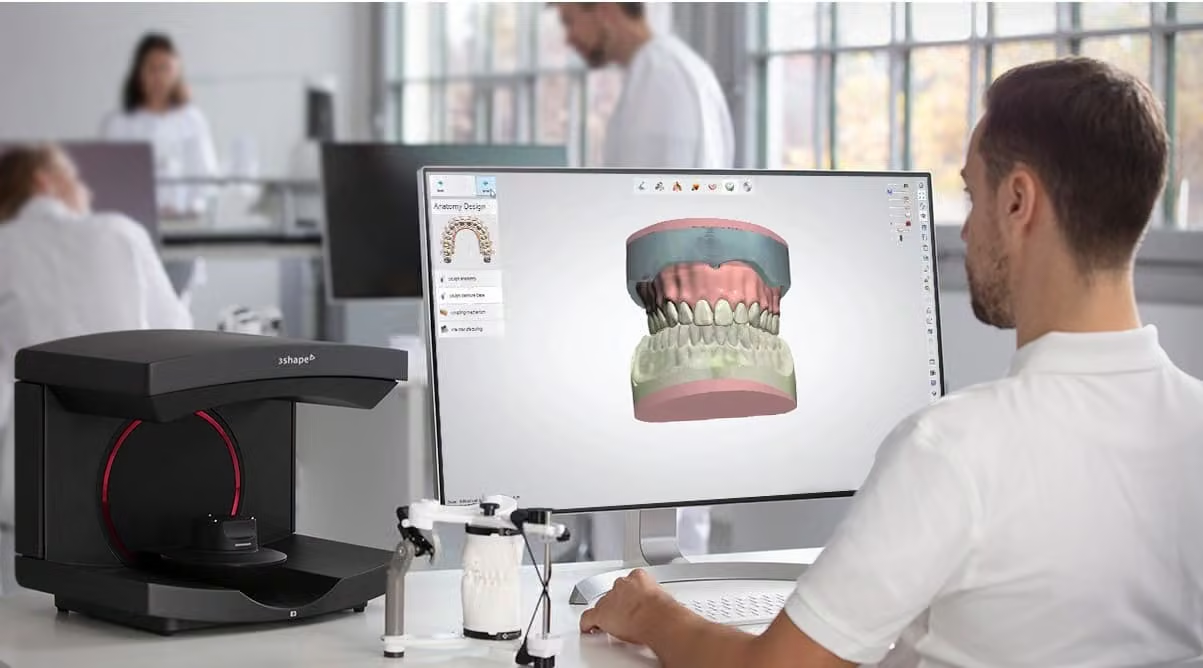
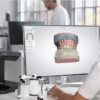
The digital process typically begins with the acquisition of accurate three-dimensional data through intraoral scanning or the digitization of conventional dental models. These digital files provide a detailed representation of the patient’s oral structures and can be imported into specialized software for the design of crowns, bridges, veneers, implant restorations, and other prosthetic solutions.
One of the major advantages of CAD/CAM technology is the ability to control the design with a high degree of precision. Digital software allows dental technicians to evaluate anatomical morphology, proximal contacts, occlusal relationships, restoration thickness, and emergence profiles before manufacturing begins. This provides an opportunity to identify and correct potential design issues at an early stage.
Following the digital design phase, the restoration can be manufactured using milling or other computer-controlled production technologies. Modern dental laboratories can process materials such as zirconia, glass ceramics, and advanced composite materials according to specific clinical requirements.
Beyond precision, digital workflows can improve communication between dentists and dental laboratories. Digital impressions, photographs, treatment information, and proposed designs can be shared efficiently, allowing dental professionals to review cases and make necessary adjustments before final production.
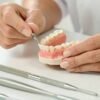
However, technology alone does not guarantee an excellent restoration. The experience and knowledge of the dental technician remain essential for interpreting clinical information, selecting appropriate materials, understanding functional requirements, and achieving natural aesthetics.
At Smile Vision D.L, the integration of advanced digital technology with professional laboratory expertise allows us to maintain a workflow focused on precision, consistency, efficiency, and quality. By continuously adopting modern technologies and refining our techniques, we aim to provide dental professionals with reliable restorative solutions that meet both functional and aesthetic requirements.
Add comment