
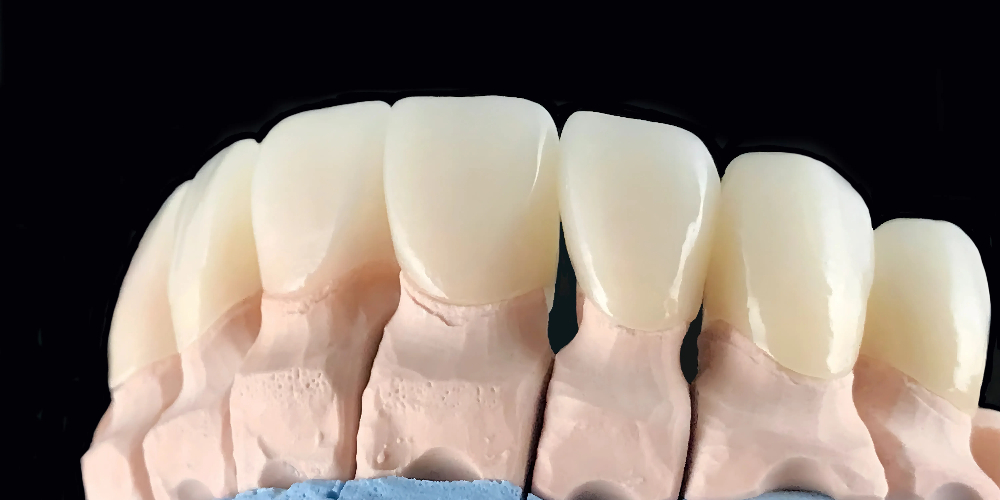
Zirconia has become one of the most widely used ceramic materials in contemporary restorative dentistry. Its combination of favorable mechanical properties, biocompatibility, and continuously improving optical characteristics has made it an important option for a variety of fixed dental restorations.
One of the principal advantages of zirconia is its high mechanical strength, which allows it to be used in demanding restorative situations. Depending on its formulation and mechanical properties, zirconia can be utilized for crowns, bridges, implant-supported restorations, and other prosthetic applications.
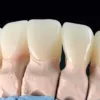
The evolution of zirconia materials has also significantly improved their optical performance. Modern generations of translucent zirconia provide enhanced light transmission and a more natural appearance compared with earlier formulations. This development has expanded the potential use of zirconia in aesthetically demanding cases.
Nevertheless, material selection should always be based on the specific clinical requirements of each case. Factors such as restoration location, available space, occlusal forces, preparation design, functional requirements, and desired aesthetic outcome should be carefully considered before selecting the appropriate zirconia formulation.
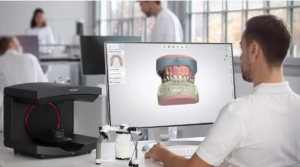
Digital dentistry plays an important role in optimizing zirconia restorations. CAD software enables technicians to precisely control the morphology, thickness, contacts, and overall geometry of the restoration. Computer-controlled milling then translates the digital design into a physical restoration with a high degree of consistency.
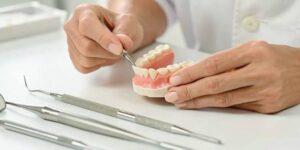
The final quality of a zirconia restoration, however, depends on more than the material itself. Proper sintering protocols, surface treatment, polishing, characterization, and quality control are all essential components of the laboratory process.
At Smile Vision D.L, zirconia restorations are produced through a combination of digital technology, material knowledge, and experienced craftsmanship. Our approach focuses on selecting appropriate materials and production protocols according to the individual requirements of each case, with the goal of achieving a balance between strength, precision, function, and natural aesthetics.

Add comment